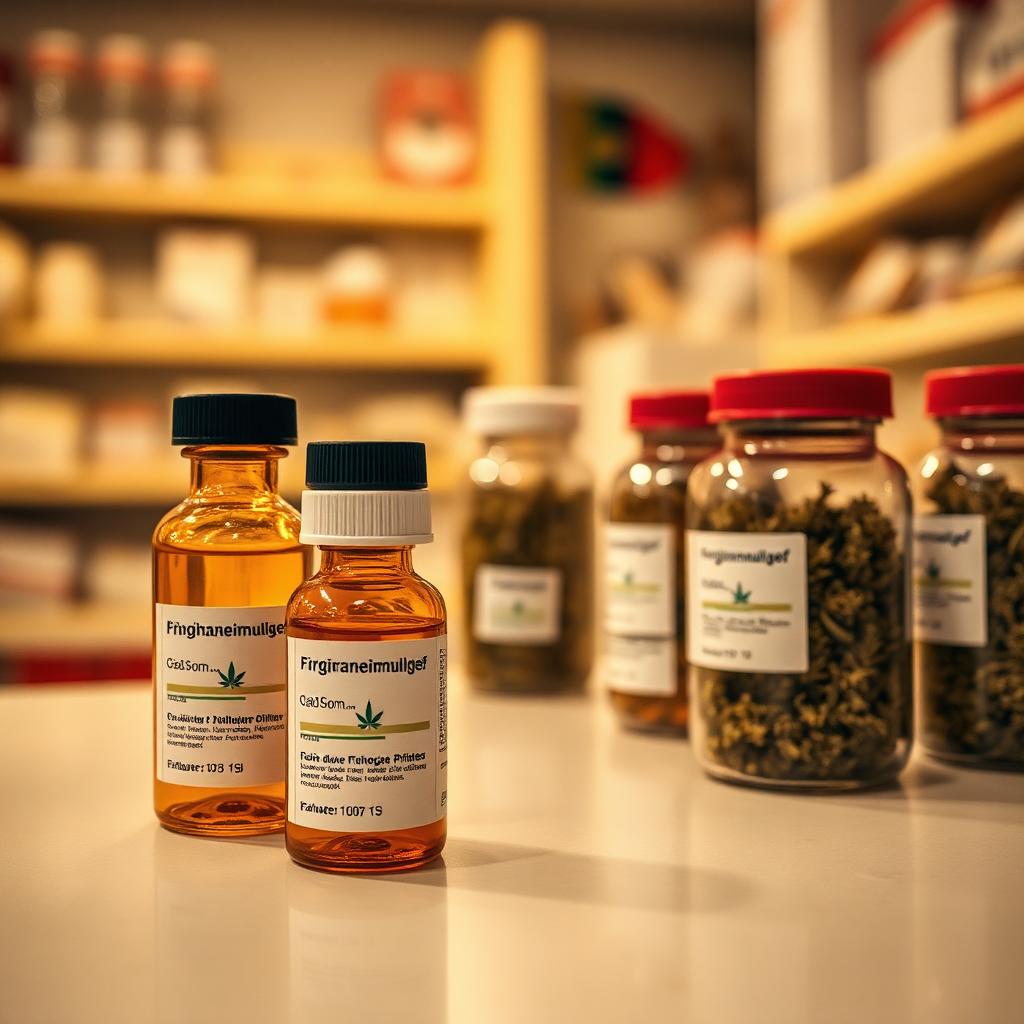
Das Cannabisgesetz, kurz CanG, trat am 1. April 2024 in Kraft – ein Wendepunkt für die deutsche Drogenpolitik. Ein Jahr danach ist die Bilanz durchwachsen: Die Umsetzung verlief holpriger als erhofft. Nun legt die Regierung mit entscheidenden Nachbesserungen nach.
Die Korrekturen im Detail
Im März 2025 legte die Bundesregierung den Entwurf für ein „CanG 2.0“ vor. Er zielt auf drei Bereiche: Die Besitzgrenzen werden präzisiert, die Hürden für Cannabis Social Clubs gesenkt und die Regeln für Medizinalcannabis klarer gefasst. Eine genaue Aufschlüsselung der geltenden Regeln finden Sie in unserem KCanG-Guide.
Besitzgrenzen und Eigenanbau
In der Öffentlichkeit bleibt es bei der Besitzgrenze von 25 Gramm. Neu ist eine Klarstellung, die auf die Praxis zielt: Der Transport von Cannabis zwischen dem eigenen Wohnort und einem Social Club wird künftig nicht auf diese Menge angerechnet. Für die eigenen vier Wände ändert sich nichts: Hier sind weiterhin 50 Gramm getrocknetes Cannabis und drei blühende Pflanzen erlaubt.
Cannabis auf Rezept?
Vergleiche Telemedizin-Anbieter und starte noch heute mit deiner Cannabis-Therapie — einfach, legal und von zu Hause.
Jetzt Patient werden →Cannabis Social Clubs
Ein zentraler Kritikpunkt am CanG waren die schleppenden Genehmigungen für Anbauvereinigungen. Vielerorts warten Vereine seit Monaten auf grünes Licht der Behörden. Damit soll nun Schluss sein. Das Gesetz schreibt künftig eine Bearbeitungsfrist von maximal acht Wochen vor. Zudem lockert der Bund die baulichen Anforderungen an die Vereinsräume. Über die Hürden der Pioniere berichten wir in unserem Artikel zu den ersten Social-Club-Genehmigungen.
Medizinisches Cannabis
Auch für Patienten bringt das Gesetzesupdate Erleichterungen. Die Verschreibung von Medizinalcannabis wird unbürokratischer, das E-Rezept etabliert sich als Standard. Zudem soll es für Krankenkassen schwerer werden, eine Kostenübernahme abzulehnen. An der Möglichkeit zur telemedizinischen Erstverordnung ändert sich nichts. Einen vollständigen Überblick der legalen Bezugswege für Cannabis bietet unser Guide.
Was die Änderungen für Patienten bedeuten
Für Menschen, die bereits Cannabis auf Rezept erhalten, ändert sich in der Praxis wenig. Wer jedoch eine Erstverordnung anstrebt, soll künftig von den vereinfachten Prozessen profitieren. Führende Telemedizin-Anbieter haben bereits signalisiert, ihre Abläufe entsprechend der neuen Gesetzeslage anzupassen.
Die Novelle ist ein weiteres Zeichen: Deutschland tastet sich, wenn auch zögerlich, an einen regulierten Cannabis-Markt heran. Ob die Korrekturen die erhoffte Wirkung erzielen, wird sich in den kommenden Monaten zeigen. Erste wissenschaftliche Daten dazu wird der EKOCAN-Zwischenbericht 2026 liefern. Parallel dazu gewinnt die Debatte über gemeinsame Cannabis-Standards auf EU-Ebene an Fahrt. Für Patienten, die eine Behandlung mit Cannabis in Erwägung ziehen, haben wir geprüfte Telemedizin-Anbieter verglichen.
Welche Sorte passt zu dir? Sobald dein Rezept ausgestellt ist, hilft dir unser Produkt-Finder in nur drei Fragen, die passende Cannabis-Sorte nach Indikation, Wirkprofil und Genetik zu finden.
The Cannabis Act, or CanG for short, came into force on April 1, 2024 – a turning point for German drug policy. One year later, the results are mixed: implementation has been bumpier than hoped. Now, the government is making crucial improvements.
The Corrections in Detail
In March 2025, the German government presented the draft for a "CanG 2.0". It targets three areas: possession limits will be clarified, hurdles for Cannabis Social Clubs will be lowered, and rules for medicinal cannabis will be more clearly defined. A detailed breakdown of the current rules can be found in our KCanG-Guide.
Possession Limits and Home Cultivation
In public spaces, the possession limit remains 25 grams. A new clarification, aimed at practical application, is that the transport of cannabis between one's residence and a Social Club will no longer count towards this limit. Nothing changes for one's own home: 50 grams of dried cannabis and three flowering plants are still allowed here.
Cannabis on prescription?
Compare telemedicine providers and start your cannabis therapy today — simply, legally, and from home.
Become a patient now →Cannabis Social Clubs
A central point of criticism of the CanG was the slow approval process for cultivation associations. In many places, associations have been waiting for months for the authorities' green light. This is now set to change. The law will now stipulate a maximum processing period of eight weeks. In addition, the federal government is relaxing the structural requirements for club premises. We report on the hurdles faced by pioneers in our article on the first Social Club approvals.
Medical Cannabis
The legislative update also brings relief for patients. The prescription of medicinal cannabis will become less bureaucratic, and the e-prescription will become standard. In addition, it will be more difficult for health insurance companies to refuse to cover costs. There will be no changes to the possibility of telemedical first prescriptions. Our guide offers a complete overview of the legal procurement channels for cannabis.
What the changes mean for patients
For people who already receive cannabis on prescription, little will change in practice. However, those seeking an initial prescription should benefit from the simplified processes in the future. Leading telemedicine providers have already indicated that they will adapt their procedures to the new legal situation.
The amendment is another sign: Germany is, albeit hesitantly, approaching a regulated cannabis market. Whether the corrections will achieve the desired effect will become clear in the coming months. The EKOCAN Interim Report 2026 will provide initial scientific data on this. In parallel, the debate about common cannabis standards at EU level is gaining momentum. For patients considering cannabis treatment, we have compared verified telemedicine providers.
Which strain suits you? As soon as your prescription is issued, our Product Finder will help you find the right cannabis strain according to indication, effect profile and genetics in just three questions.