Zwei Jahre Cannabis-Teillegalisierung. Zeit für eine erste Bilanz. Am 1. April 2026 legte die EKOCAN-Evaluation ihren zweiten Zwischenbericht vor. Das vom Bundesgesundheitsministerium beauftragte Gutachten liefert neue Zahlen zu Konsum, Kriminalität und dem rasant wachsenden Markt für medizinisches Cannabis. Einige Ergebnisse überraschen.
Was ist EKOCAN?
EKOCAN – hinter dem Kürzel verbirgt sich die „Evaluation des Konsumcannabisgesetzes“. Im Auftrag des Bundesgesundheitsministeriums (BMG) nehmen mehrere Forschungsinstitute die Folgen der Legalisierung unter die Lupe. Die finale Auswertung wird erst im April 2028 erwartet. Die aktuellen Ergebnisse sind also vorläufig, setzen aber bereits klare Wegmarken. Was das Gesetz genau regelt, zeigt unser KCanG-Guide.
Cannabis auf Rezept?
Vergleiche Telemedizin-Anbieter und starte noch heute mit deiner Cannabis-Therapie — einfach, legal und von zu Hause.
Jetzt Patient werden →Die wichtigsten Ergebnisse im Überblick
1. Legale Quellen gewinnen an Boden
Der Weg zum legalen Cannabis führt zunehmend weg vom Schwarzmarkt. Vor allem der private Eigenanbau hat seit 2024 stark zugenommen. Für viele Konsumierende ist er die einzige praktikable Option, solange Cannabis Social Clubs nur schleppend an den Start gehen. Eine Übersicht über alle legalen Bezugswege finden Sie hier.
2. Cannabis Social Clubs: Eine Enttäuschung?
Die große Hoffnung vieler Befürworter entpuppt sich bisher als Flop. Ende 2025 existierten bundesweit nur wenige hundert genehmigte Cannabis Social Clubs. Die Folge: Nicht einmal 3,5 Prozent der Konsumenten konnten über diesen Weg versorgt werden. Die Gründe sind hausgemacht: zähe Genehmigungsverfahren, hohe Hürden und ein föderaler Flickenteppich.
3. Der Schwarzmarkt lebt
Ganz verschwunden ist der illegale Handel nicht, aber er verändert sich. Wie genau, lässt der Bericht offen. Die Forscher stellen jedoch klar: Eine wirksame Eindämmung gelingt nur mit einem breiteren legalen Zugang – und bringen damit erneut Fachgeschäfte ins Spiel.
4. Jugendliche konsumieren nicht mehr
Die größte Sorge der Legalisierungsgegner scheint sich nicht zu bewahrheiten. Laut EKOCAN-Bericht gibt es keinen Beleg für einen gestiegenen Konsum bei Minderjährigen. Die Maßnahmen zum Jugendschutz greifen offenbar. Damit wird ein zentrales Argument der Befürworter empirisch untermauert. Unser Mythen-Faktencheck ordnet diese und weitere Behauptungen ein.
5. Medizinalcannabis explodiert
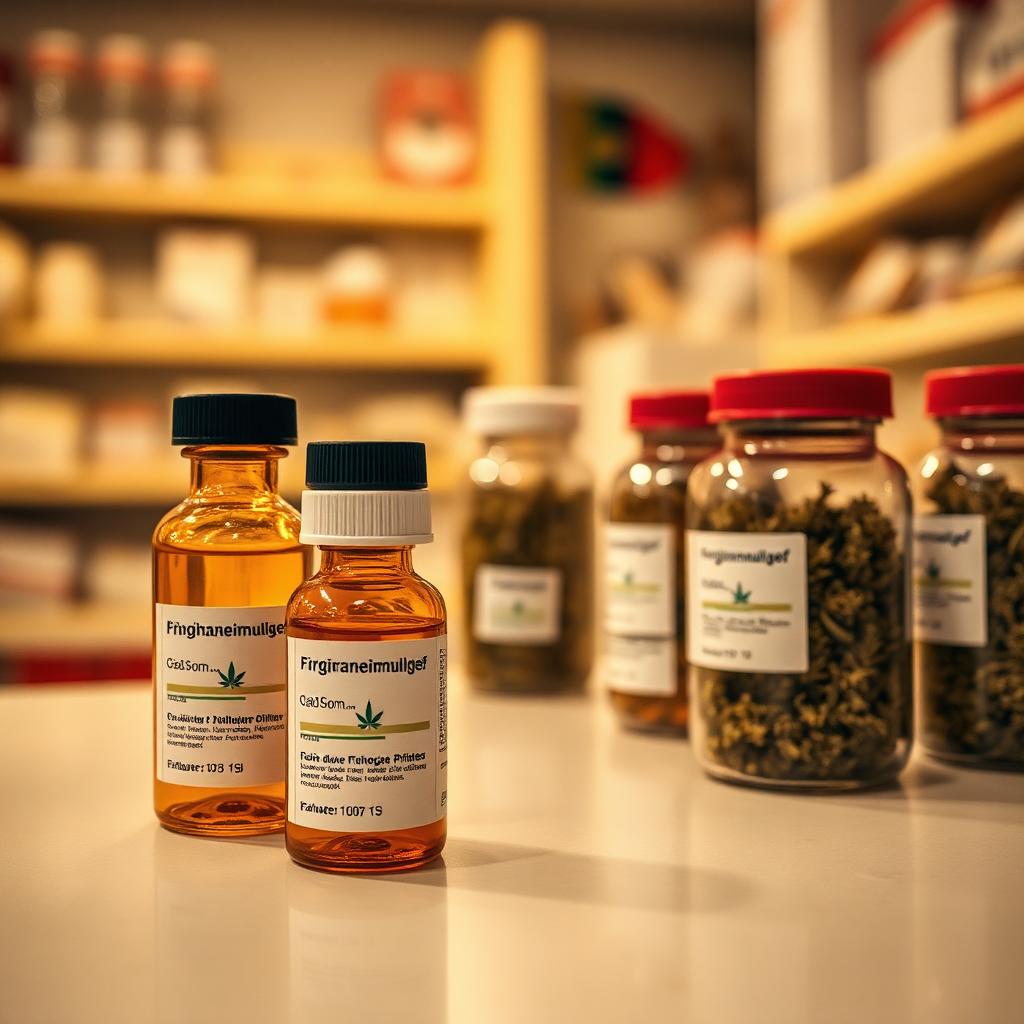
Der Markt für Medizinalcannabis boomt. Mit einem Volumen von bis zu 200 Tonnen pro Jahr stieg Deutschland 2025 zum größten legalen Absatzmarkt in Europa auf. Getrieben wird das Wachstum auch von Online-Plattformen, die Ärzte, Patienten und Apotheken vernetzen. Doch diese neuen Akteure stehen zunehmend in der Kritik.
6. Justiz spürbar entlastet
Die Entkriminalisierung zeigt Wirkung. Die Zahl der Strafverfahren wegen Besitzes für den Eigenkonsum ist eingebrochen. Das bedeutet eine deutliche Entlastung für Polizei und Justiz, wie von der Regierungskoalition erhofft.
Cannabis auf Rezept?
Vergleiche Telemedizin-Anbieter und starte noch heute mit deiner Cannabis-Therapie — einfach, legal und von zu Hause.
Jetzt Patient werden →Presse-Echo und politische Reaktionen
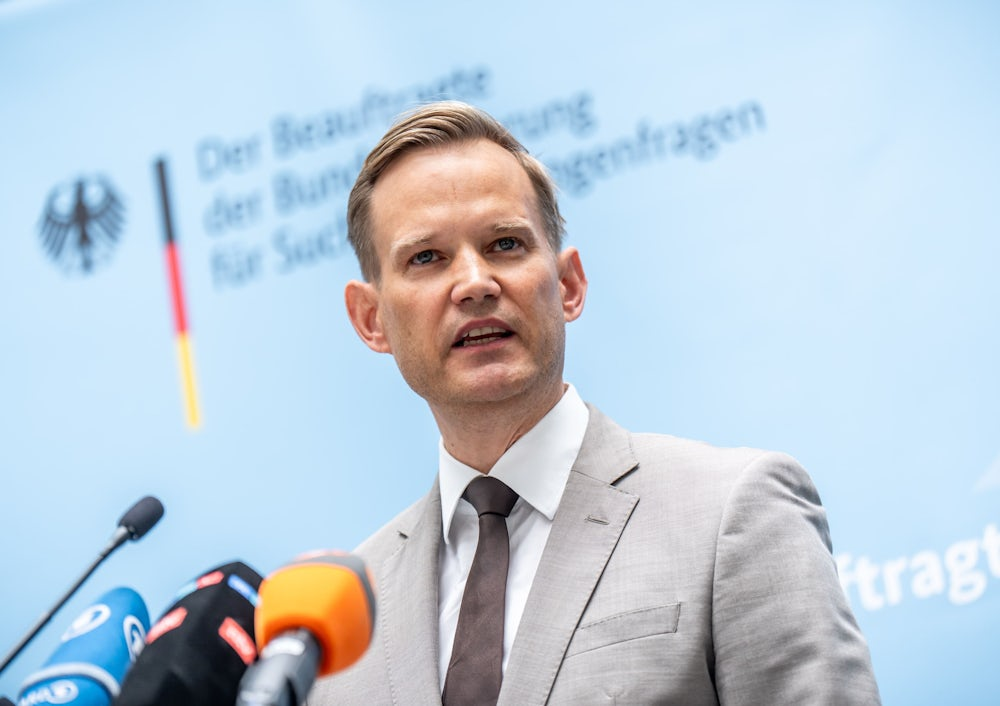
Das Bundesgesundheitsministerium reagierte prompt. Ein Sprecher betonte den „dringenden Handlungsbedarf“. Sorgen bereiten dem Ministerium vor allem die verschwimmende Grenze zwischen medizinischem und Freizeitkonsum sowie kaum regulierte Online-Angebote mit sehr hohem THC-Gehalt.
Aus der Wirtschaft kamen warnende Töne. Die Sanity Group, einer der größten europäischen Cannabis-Konzerne und Muttergesellschaft von avaay Medical, mahnte in einer Pressemitteilung eine „evidenzbasierte Regulierung“ an. Pauschale Verschärfungen dürfe es nicht geben.
Im Ausland wurde der Bericht aufmerksam verfolgt. Beobachter werteten ihn als deutliche Widerlegung der Schreckensszenarien deutscher Legalisierungsgegner. So kommentierte das International Cannabis Business Conference: „In a continuing trend, the assessment found positive results for adult-use cannabis legalization in Germany.“
Was bedeutet das für Patienten?
Für Patienten rücken nun vor allem die Online-Plattformen und telemedizinischen Angebote in den Fokus der Politik. Zusammen mit den geplanten Änderungen am Medizinal-Cannabisgesetz könnte dies den Zugang zu ärztlich verordnetem Cannabis erschweren oder verändern. Der Bericht unterstreicht zugleich die zentrale Rolle der Apotheken in der Versorgungskette.
Ein Zwischenzeugnis mit Licht und Schatten
Der zweite EKOCAN-Bericht zeichnet kein Schwarz-Weiß-Gemälde. Die Entkriminalisierung funktioniert, der Jugendschutz hält. Gleichzeitig hinken die Social Clubs hinterher und neue Regulierungsfragen, etwa im Medizinalmarkt, drängen auf die politische Agenda. Die Debatte geht weiter. Entdecken Sie passende Cannabis-Sorten in unseren Reviews, nutzen Sie den Produkt-Finder und finden Sie geprüfte Telemedizin-Anbieter für Ihr Rezept.
Two years of cannabis partial legalization. Time for an initial assessment. On April 1, 2026, the EKOCAN evaluation presented its second interim report. The expert opinion commissioned by the Federal Ministry of Health provides new figures on consumption, crime, and the rapidly growing market for medical cannabis. Some results are surprising.
What is EKOCAN?
EKOCAN – the abbreviation stands for the "Evaluation of the Cannabis Consumption Act" (Konsumcannabisgesetz). Commissioned by the Federal Ministry of Health (BMG), several research institutes are examining the consequences of legalization. The final evaluation is not expected until April 2028. The current results are therefore preliminary but already set clear benchmarks. Our KCanG Guide shows exactly what the law regulates.
Cannabis on prescription?
Compare telemedicine providers and start your cannabis therapy today – easy, legal and from home.
Become a patient now →The most important results at a glance
1. Legal sources are gaining ground
The path to legal cannabis is increasingly moving away from the black market. Private cultivation, in particular, has seen a sharp increase since 2024. For many consumers, it is the only viable option as long as Cannabis Social Clubs are slow to get off the ground. An overview of all legal procurement methods can be found here.
2. Cannabis Social Clubs: A disappointment?
The great hope of many supporters has so far proven to be a flop. By the end of 2025, there were only a few hundred approved Cannabis Social Clubs nationwide. As a result, not even 3.5 percent of consumers could be supplied through this channel. The reasons are self-made: tough approval procedures, high hurdles, and a federal patchwork.
3. The black market lives on
Illegal trade has not completely disappeared, but it is changing. Exactly how, the report leaves open. However, the researchers make it clear: effective containment can only be achieved with broader legal access – and thus once again bring specialized stores into play.
4. Youth consumption is not increasing
The biggest fear of opponents of legalization does not seem to be coming true. According to the EKOCAN report, there is no evidence of increased consumption among minors. Youth protection measures are apparently effective. This empirically underpins a central argument of the proponents. Our Myth Fact Check categorizes these and other claims.
5. Medicinal cannabis exploding
The market for medicinal cannabis is booming. With a volume of up to 200 tons per year, Germany became the largest legal sales market in Europe in 2025. This growth is also driven by online platforms that connect doctors, patients, and pharmacies. However, these new players are increasingly coming under criticism.
6. Justice system noticeably relieved
Decriminalization is showing results. The number of criminal proceedings for possession for personal use has plummeted. This means a significant relief for police and the justice system, as hoped by the governing coalition.
Cannabis on prescription?
Compare telemedicine providers and start your cannabis therapy today – easy, legal and from home.
Become a patient now →Press reaction and political response
The Federal Ministry of Health reacted promptly. A spokesperson emphasized the "urgent need for action". The Ministry is particularly concerned about the blurring line between medical and recreational use, as well as largely unregulated online offers with very high THC content.
Warnings came from the business sector. Sanity Group, one of the largest European cannabis companies and parent company of avaay Medical, urged for "evidence-based regulation" in a press release. Blanket tightening must be avoided.
The report was closely watched abroad. Observers viewed it as a clear rebuttal of the scare scenarios presented by German opponents of legalization. The International Cannabis Business Conference commented: "In a continuing trend, the assessment found positive results for adult-use cannabis legalization in Germany."
What does this mean for patients?
For patients, the focus of politics will now be on online platforms and telemedicine services. Together with the planned changes to the Medical Cannabis Act, this could complicate or alter access to medically prescribed cannabis. The report also underlines the central role of pharmacies in the supply chain.
An interim report with light and shadow
The second EKOCAN report does not paint a black and white picture. Decriminalization is working, and youth protection is holding up. At the same time, Social Clubs are lagging behind, and new regulatory issues, for example in the medical market, are pushing onto the political agenda. The debate continues. Discover suitable cannabis strains in our reviews, use the product finder, and find verified telemedicine providers for your prescription.