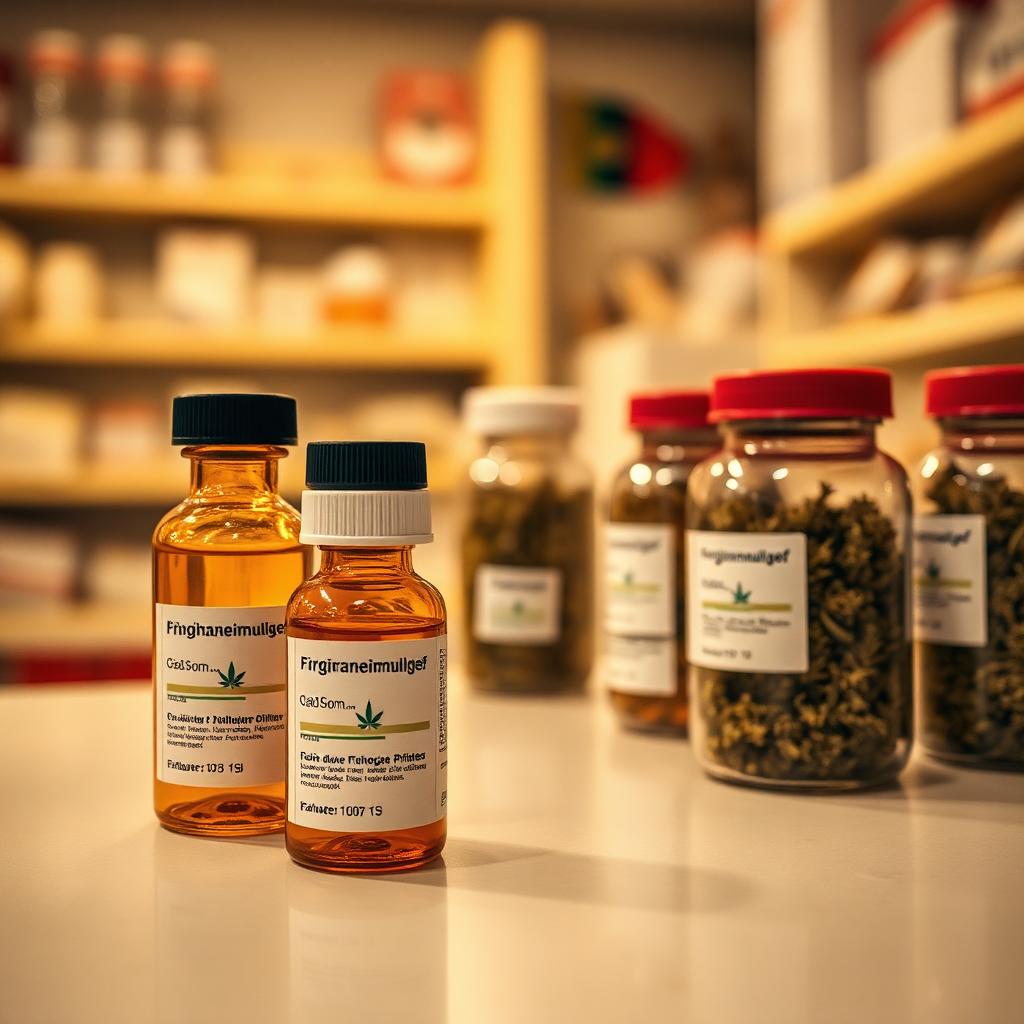
Krach in der Koalition: Die geplante Novelle des Medizinal-Cannabisgesetzes (MedCanG) entzweit die Regierungspartner. Angeführt von der Abgeordneten Carmen Wegge, stellt sich die SPD-Fraktion quer und kündigt an, den Entwurf des Bundesgesundheitsministeriums „unter keinen Umständen“ in seiner jetzigen Form mitzutragen.
Rückschritt für die Reform? Darum geht es
Das Medizinal-Cannabisgesetz ist selbst noch jung. Es war der erste Schritt der großen Cannabis-Reform und holte Medizinalhanf aus dem strengen Betäubungsmittelgesetz (BtMG). Seitdem ist die Verschreibung für Ärzte und der Zugang für Patienten einfacher geworden, insbesondere durch den Aufstieg von Telemedizin und spezialisierten Online-Plattformen. Eine Übersicht über alle legalen Bezugswege finden Sie hier.
Cannabis auf Rezept?
Vergleiche Telemedizin-Anbieter und starte noch heute mit deiner Cannabis-Therapie — einfach, legal und von zu Hause.
Jetzt Patient werden →Die geplanten Verschärfungen im Detail
Der Referentenentwurf aus dem Haus von Gesundheitsministerin Warken (CDU) zielt auf zwei zentrale Punkte:
- Ende der Telemedizin: Ein Rezept für Medizinalcannabis soll es nur noch nach einem persönlichen Arztbesuch geben. Das würde die Möglichkeiten der Telemedizin für Cannabispatienten massiv beschneiden.
- Aus für Online-Apotheken: Der Versandhandel mit Cannabisblüten und -extrakten soll komplett verboten werden.
Das Ministerium begründet diesen Schritt mit gestiegenen Cannabis-Importen. Ursache dafür seien, so die Argumentation, vor allem Privatrezepte, die über telemedizinische Dienste ohne direkten Arztkontakt ausgestellt werden.
Der Widerstand aus der SPD
Auf der Plattform Abgeordnetenwatch formulierte Carmen Wegge den Widerstand ihrer Fraktion unmissverständlich: Die SPD lehnt den Entwurf ab. Ihre Kernargumente:
- Versorgung sicherstellen: Patientenschutz bedeutet für die SPD vor allem einen einfachen Zugang – und der müsse barrierefrei, wohnortnah und eben auch digital sein.
- Stadt-Land-Gefälle: Telemedizin sei gerade für chronisch kranke Menschen im ländlichen Raum mit wenigen Fachärzten eine unverzichtbare Alternative.
- Digitalisierung nicht zurückdrehen: Eine digitale Betreuung sei Standard im modernen Gesundheitswesen und könne nicht für einen einzelnen Bereich einfach wieder abgeschafft werden.
Cannabis auf Rezept?
Vergleiche Telemedizin-Anbieter und starte noch heute mit deiner Cannabis-Therapie — einfach, legal und von zu Hause.
Jetzt Patient werden →Breiter Protest: Petition sammelt über 58.000 Stimmen
Auch außerhalb des Parlaments formiert sich Widerstand. Eine Online-Petition gegen die Gesetzespläne zählt bereits über 58.000 Unterzeichner. Die Anhörung im Petitionsausschuss des Bundestags machte die tiefen Gräben innerhalb der Koalition sichtbar: Zwischen den Positionen von Union und SPD klafft eine Lücke. Was das KCanG seit seiner Einführung regelt, erläutert unser KCanG-Guide.
Wie könnte ein Kompromiss aussehen?
Die SPD-Fraktion will nun in den parlamentarischen Verhandlungen versuchen, die schärfsten Kanten des Entwurfs abzuschleifen. Im Raum stehen folgende Kompromisslinien:
- Regulieren statt verbieten: Anstelle eines pauschalen Verbots könnten klare Qualitätsstandards für die Telemedizin eingeführt werden.
- Hybrid-Modell: Ein persönlicher Arzttermin wäre nur für die Erstverschreibung obligatorisch, Folgerezepte könnten digital ausgestellt werden.
- Plattformen in die Pflicht nehmen: Die Regulierung könnte sich auf die Anbieter der Online-Plattformen konzentrieren, anstatt den Versandhandel gänzlich zu untersagen.
Was bedeutet das für Patienten?
Für Patienten, die ihre Rezepte derzeit über Telemedizin-Anbieter beziehen, ändert sich vorerst nichts. Das Gesetz ist noch in der Schwebe. Der Widerstand der SPD macht ein Inkrafttreten in der geplanten Form sehr unwahrscheinlich. Dennoch bleibt die Lage fragil; die politische Debatte entscheidet über die Zukunft der Versorgung.
Ausblick: Ein politischer Teilerfolg
Das Veto der SPD verschafft Cannabispatienten eine Atempause und verhindert vorerst die drohenden Einschränkungen. Die Debatte ist damit aber nicht beendet – sie hat nur erneut gezeigt, wie umkämpft der politische Boden für Medizinalcannabis bleibt. Für die weitere Bewertung werden Daten entscheidend sein, wie sie etwa der EKOCAN-Zwischenbericht 2026 liefern soll. Auch die geplanten CanG-2.0-Änderungen werden vor diesem Hintergrund neu verhandelt werden müssen. Bis dahin können sich Patienten weiter über Cannabis-Sorten informieren oder den Produkt-Finder nutzen.
Coalition dispute: The planned amendment to the Medical Cannabis Act (MedCanG) is dividing the government partners. Led by MP Carmen Wegge, the SPD parliamentary group is resisting and announces that it will “under no circumstances” support the draft of the Federal Ministry of Health in its current form.
A step backward for the reform? What it's about
The Medical Cannabis Act itself is still young. It was the first step of the major cannabis reform and removed medicinal hemp from the strict Narcotics Act (BtMG). Since then, prescription for doctors and access for patients has become easier, especially with the rise of telemedicine and specialized online platforms. An overview of all legal procurement methods can be found here.
Cannabis by prescription?
Compare telemedicine providers and start your cannabis therapy today — easy, legal, and from home.
Become a patient now →The planned tightening in detail
The draft bill from the office of Health Minister Warken (CDU) focuses on two key points:
- End of telemedicine: A prescription for medical cannabis should only be available after a personal doctor's visit. This would severely restrict the possibilities of telemedicine for cannabis patients.
- Ban on online pharmacies: Mail order of cannabis flowers and extracts is to be completely prohibited.
The ministry justifies this step with increased cannabis imports. The cause for this, according to the argument, are mainly private prescriptions issued via telemedical services without direct doctor contact.
The Resistance from the SPD
On the platform Abgeordnetenwatch, Carmen Wegge formulated the resistance of her parliamentary group unmistakably: The SPD rejects the draft. Her core arguments:
- Ensuring supply: For the SPD, patient protection primarily means easy access – and this must be barrier-free, close to home, and indeed digital.
- Urban-rural divide: Telemedicine is an indispensable alternative, especially for chronically ill people in rural areas with few specialists.
- Don't reverse digitalization: Digital care is standard in modern healthcare and cannot simply be abolished for a single area.
Cannabis by prescription?
Compare telemedicine providers and start your cannabis therapy today — easy, legal, and from home.
Become a patient now →Broad Protest: Petition Gathers Over 58,000 Signatures
Resistance is also building outside parliament. An online petition against the legislative plans already has over 58,000 signatories. The hearing in the Bundestag's Petitions Committee revealed the deep rifts within the coalition: a gap exists between the positions of the CDU/CSU and the SPD. Our KCanG-Guide explains what the KCanG has regulated since its introduction.
What could a compromise look like?
The SPD parliamentary group now intends to attempt to soften the sharpest edges of the draft bill during parliamentary negotiations. The following compromise proposals are on the table:
- Regulate instead of prohibit: Instead of a blanket ban, clear quality standards could be introduced for telemedicine.
- Hybrid model: A personal doctor's appointment would only be mandatory for the initial prescription; follow-up prescriptions could be issued digitally.
- Hold platforms accountable: Regulation could focus on the providers of online platforms rather than completely prohibiting mail order.
What does this mean for patients?
For patients who currently obtain their prescriptions via telemedicine providers, nothing changes for now. The law is still in limbo. The SPD's resistance makes implementation in the planned form very unlikely. Nevertheless, the situation remains fragile; the political debate will decide the future of care.
Outlook: A Partial Political Success
The SPD's veto gives cannabis patients a breather and temporarily prevents the looming restrictions. However, the debate is far from over – it has only shown once again how contentious the political ground for medicinal cannabis remains. For further assessment, data will be crucial, such as those to be provided by the EKOCAN Interim Report 2026. The planned CanG 2.0 amendments will also have to be renegotiated against this background. Until then, patients can continue to find information on cannabis strains or use the product finder.